

AI chatbots explained: what they are and how you can use them
Many people use AI chatbots every day without realizing what they are or how they work. This signal explains in clear language what AI and chatbots are, how they learn from data, where you already encounter them, and how you can safely start using tools like Mistral in daily life.
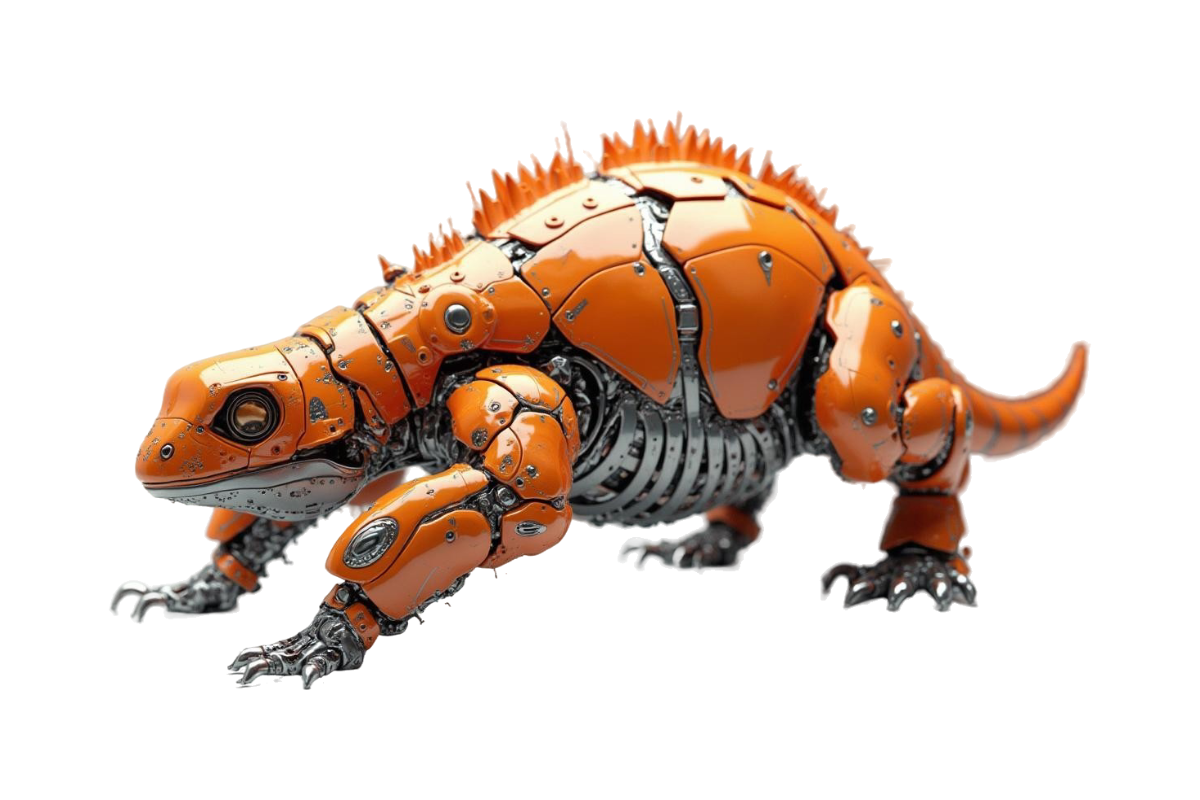
AI chatbots explained: what they are and how you can use them
Artificial intelligence is an umbrella term for technology in which computers perform tasks that normally require human thinking [2]. In other words, an AI system can imitate human abilities such as learning, reasoning, predicting, or making decisions using a computer system [2]. This rapid development shows how strongly AI is driven by digital innovation. Think of tasks like recognizing voices or images, something only humans could do in the past. A commonly used definition is computer systems that carry out tasks that normally require human intelligence and can erode expertise AI deskilling paradox [1].
What makes AI special is that the system does not just follow fixed instructions; it can also learn from experience, which makes it highly adaptable in real-world application. Traditional software only does what a programmer explicitly codes. AI, however, analyzes data and adapts. This ability to learn is a defining characteristic of AI [2]. Such a system may use rules created by humans or derive patterns and rules from large datasets, training itself to become increasingly intelligent [2]. As a result, AI improves over time as it processes more examples or information, much like how humans learn from experience.
How does AI work?
You might wonder how AI actually achieves this, especially because people interact with it daily without noticing due to its growing usability. AI typically relies on specialized algorithms and large amounts of data. Instead of telling a computer step by step what to do, you train an AI with examples.
Suppose you want to teach an AI to recognize cats in photos. Rather than programming all characteristics of a cat manually, you provide the AI with thousands of images of cats (and perhaps non-cats). By studying these examples, the algorithm learns what features to look for, such as fur, paws, eyes, and ears, to identify a cat [2]. In the same way, other AI systems learn to identify patterns in data. They search independently for relationships and improve their performance each time they process new examples.
AI uses different techniques to enable learning. A widely used method is machine learning, where an algorithm improves as it is exposed to more data. Sometimes the AI receives feedback about the correct outcomes during training (supervised learning), and sometimes it must find structure on its own without knowing the correct answers beforehand (unsupervised learning) [2].
All AI learning methods share the same goal: to mimic experience. The system adjusts its internal models until its behavior or predictions align with reality. This process often requires significant data and computing power, but it enables AI to understand language, win games, or recognize faces in ways that resemble human intelligence, only much faster.
Everyday applications of AI
AI may sound abstract, but in reality you encounter it every day. Many technologies rely on AI behind the scenes to make life easier, and its influence is becoming a major driver of technological impact. Here are some relatable examples:
- Social media: Platforms like Instagram, Facebook, and TikTok use AI to predict what content you enjoy. Every swipe, like, and comment helps the system better understand your interests.
- Entertainment: Netflix, Spotify, and YouTube analyze your viewing and listening habits. AI then recommends movies, series, or music you are likely to enjoy.
- Navigation: Apps such as Google Maps use AI to analyze real-time traffic. They estimate how busy roads will become and offer smarter routes before you encounter congestion [3].
- Speech and translation: Smart assistants like Siri and Google Assistant understand your spoken questions and generate responses. Tools such as Google Translate convert full sentences into natural-sounding text.
- Smart home devices: Think of thermostats that learn your schedule or robot vacuums that map your home and clean autonomously. These devices adapt to your habits.
AI is no longer futuristic; it is integrated into the tools we use daily, often without noticing.
What you can do with an AI chatbot
There are many different AI chatbots available; visit AI-Twerp to explore widely used models. As user behavior shifts, these models are becoming part of broader digital trends.
The difference between google and an AI chatbot
A search engine like Google presents a list of links to websites. You must extract and judge the information yourself.
An AI chatbot like Mistral, however, delivers a direct, personalized answer in full sentences tailored to your question, which makes it a powerful form of conversational automation. It does this based on a prompt: a clear instruction or question you provide. This makes a chatbot especially useful for generating ideas, explanations, or written content.
For a practical usage plan with time slots, no-go zones, and weekly self-checks, see The chatbot that never pushes back.
What is a prompt?
A key part of working with an AI chatbot is giving a prompt. This is the question or instruction you enter to activate the system. The clearer the prompt, the better the response. A strong way to provide context is to start your prompt with a role statement such as “You think as a…”, so the chatbot knows from which perspective it should respond.
For example: “Write an invitation for an 80s-themed birthday party.” The chatbot then generates a complete text in that style.
Or: “What are three easy weekday recipes?” This allows you to instantly get practical benefits from modern language models. You can test this in Mistral.
Another example of a role-based prompt is: “Think like Gandhi and explain in 50 words what is needed to stop a war.” A possible answer could be: “Refuse violence, even when wronged. Let the other recognize their humanity in your peaceful resistance. Be the change you wish – courage without weapons, truth without hate. Only by not being an enemy yourself does the enemy disappear.”
Why mistral?
Mistral is a leading European AI company that develops high-quality, innovative language models. Their technology is known for accuracy, contextual understanding, and competitiveness with global players. Mistral promotes openness and transparency by sharing research and models, encouraging trust and collaboration.
Other useful AI tools
Photo apps like Adobe Photoshop Express and Remove.bg use AI to enhance or sharpen images.
For tasks such as translation, summarizing text, or planning your week, you can use tools like DeepL for translation, QuillBot for rewriting and summarizing, and Notion or Motion for intelligent planning.
Conclusion
Artificial intelligence may sound complex, but it is much closer and more practical than it seems. We use AI to discover music we enjoy, work more efficiently, make our homes more comfortable, and save time while traveling.
AI turns learning and discovery into a shared journey: every time you explore something new with a smart device, the system learns too. The curiosity and excitement AI inspires can encourage you to explore further, much like a good teacher motivates you to keep learning.
With AI becoming part of everyday life, you are only at the beginning of a fascinating adventure. So do not hesitate to use it. Keep asking questions, keep discovering, and experience how AI can make your world easier and more enjoyable.
Related signals
- The Mental Impact of AI Chat Friends - Explains why non-judgmental chat can shift emotional habits, shaping how beginners interpret chatbot comfort as support.
- Does Your AI Assistant Steal Your Personal Data? The Shocking Truth - Shows why casual questions become stored profiles, changing what “safe to ask” means for first-time users.
- Is AI Making Your Brain Lazy? The Shocking Truth About Cognitive Dependency - Connects everyday chatbot convenience to cognitive offloading, where repeated outsourcing weakens memory and independent judgment.
- The chatbot that never pushes back - Offers a concrete usage plan, which prevents “just experimenting” from turning into daily dependence.
Sources
[1] Gallup. Americans Use AI Driven Products Without Knowing It. Gallup News. 2023.
[2] World Economic Forum. What is artificial intelligence and what is it not. White Paper. 2023.
[3] Google. How AI helps predict traffic and determine routes. Google Maps Blog. 2020.